

 Apple Podcasts
 Spotify
 Amazon Music
 RSS Feed
 YouTube
 127. Remember Sally Horner
In 1948, eleven-year-old Sally Horner was kidnapped by Frank La Salle after he pretended to be an FBI agent and threatened to send her to reform school.
For twenty-one months, he took her across the country, convincing others she was his daughter while she endured manipulation, isolation, and abuse.
Although Sally was eventually rescued, her story was largely forgotten—even as another name became famous.
In 1948, eleven-year-old Sally Horner was kidnapped by Frank La Salle after he pretended to be an FBI agent and threatened to send her to reform school.
For twenty-one months, he took her across the country, convincing others she was his daughter while she endured manipulation, isolation, and abuse.
Although Sally was eventually rescued, her story was largely forgotten—even as another name became famous.
Sources
Books
- Sarah Weinman, The Real Lolita: The Kidnapping of Sally Horner and the Novel That Scandalized the World
- Vladimir Nabokov, Lolita
Primary & Historical Sources
- Contemporary newspaper coverage (1948–1952), including The Camden Courier-Post, The Philadelphia Inquirer, The New York Times, The Baltimore Sun, Associated Press, and other regional newspapers.
- Court records and legal proceedings involving Frank La Salle.
- FBI historical records and publicly available case information.
Online Resources
- Find a Grave – Florence “Sally” Horner Memorial
- Wikipedia – Kidnapping of Sally Horner
- Newspapers.com (archival newspaper research)
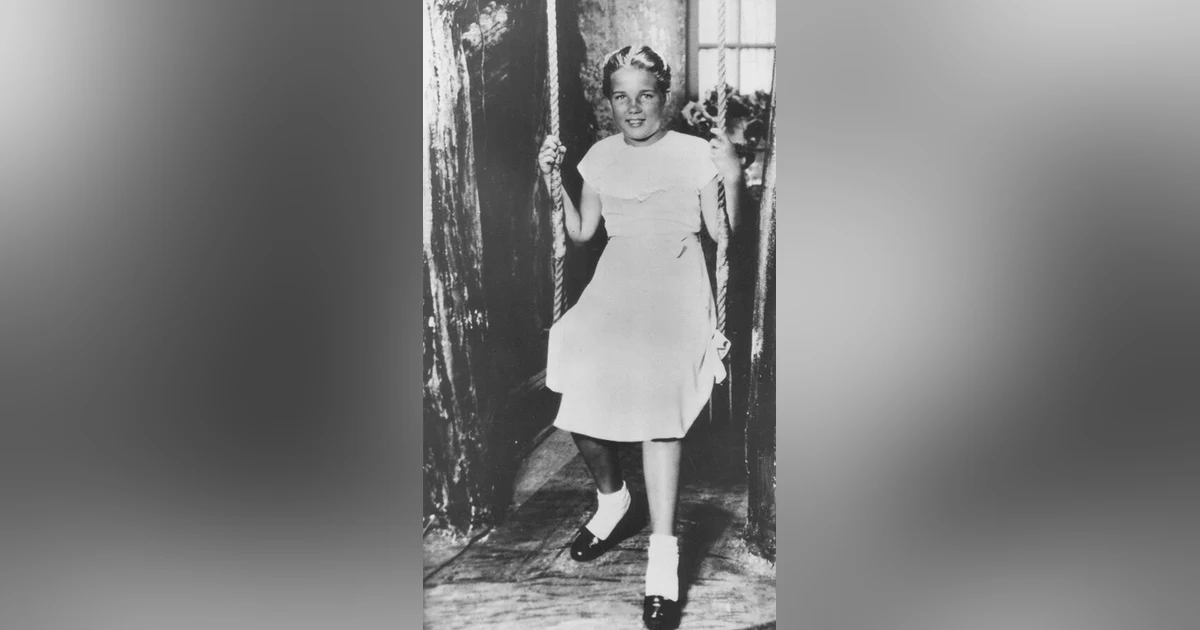
Photo: Sally Horner on a swing, public domain, via Wikimedia Commons.
Narration: Curtis Hildreth
Original Music, Mixing & Mastering: Isaiah Hildreth
hardtimesandtruecrimes.com buymeacoffee.com/hardtimesTC
25:38 - [Ad] The Oki Doke: Every Claim Has a Record
26:28 - (Cont.) 127. Remember Sally Horner
SPEAKER_00
Before we begin, I want to give you a brief content warning. This episode contains discussions of child grooming, kidnapping, manipulation, sexual abuse, and the exploitation of a minor. While we won't be sharing graphic details, the subject matter is deeply disturbing and may not be appropriate for all listeners. The book Lolita, written by Russian-American novelist Vladimir Nabokov, was begun in 1948 and completed in 1953. It remains one of the most controversial works of literature ever written. Despite its disturbing contents, it is also celebrated as one of the greatest achievements of 20th century literature, praised for its extraordinary prose, linguistic brilliance, and dark humor. However, the novel's subject matter is undeniably disturbing, but its importance lies elsewhere. Lolita isn't valuable because it tells a shocking story. It's valuable because it offers a chilling look inside the mind of a predator, a pedophile. Humbert Humbert narrates the book. The novel is told entirely from Humbert's perspective. He narrates the story as though he is defending himself, using beautiful language, humor, and elaborate rationalizations to persuade the reader that what he feels is love rather than abuse. And that's what makes this novel so psychologically intriguing and so deeply unsetting at the same time. It becomes a case study of delusion, manipulation, and grooming. But if we read between the lines, we begin to see not the romance Hubert describes, but the abuse he desperately tries to conceal. What has always baffled me is how often popular culture has blurred the distinction. In many ways, the world seems to have fallen under the spell cast by Humbert Humbert. Rather than recognizing him as a predator and a pedophile, the culture has leaned into his sick aesthetics of forbidden romance. Lana Del Rey's song, Off to the Races, borrows images and lines straight from the Lolita novel, including some of Humbert's own words. And then she goes on to say, Scarlet, Scarlet, I'm your little harlot. Today, Darlene isn't going to talk about Lolita as a romance because it isn't one. She's going to talk about it as one of literature's most convincing portraits of manipulation and how that portrait intersects with the true story of Sally Horner.
SPEAKER_01
I'm Darlene. And I'm Melody. This is Hard Times and True Crimes. So have you ever read or heard of the book, Lolita?
SPEAKER_02
I have heard of the book. I have not read the book.
SPEAKER_01
Okay. So I have read a good part of the book, and I watched the 1997 film. It was terrible. The film was terrible. It was terrible. It was awful. It really sexualized the little girl and made it as though she were seducing him. The book is different. We are manipulated in parts of the book. So we, the audience. And he feels sorry for himself and is able to pull us into that. And he justifies what happened, like what made him that way. And we find ourselves feeling sorry for him. We find ourselves thinking, you know, believing in parts of it that the little girl was almost like seducing him. And then you realize you come to yourself and you're like, no, wait a second. Like this is not what's going on. Psychologically, it is intriguing when you realize that you can be manipulated.
SPEAKER_02
Right. Because we all think that we can't.
SPEAKER_01
Right. And then you're kind of horrified, like, oh my gosh, you know.
SPEAKER_02
Well, I'm sure I'm gonna have a lot of thoughts on this afterward. Okay. So what you're telling me is this is probably a warning that this episode's gonna be some really tough material to hear.
SPEAKER_01
100%, yes. Okay. Yeah. All right. So audience, be aware. And today is not a murder, it's heartbreaking, and I just feel like Sally Horner's story needs to be told. Okay. In the 1950s, post-war America was defined by the open road. This kind of makes me think of your case where the family was out traveling Route 66.
SPEAKER_03
Yes.
SPEAKER_01
New highways rolled across the country under these big summer skies, neon signs for roadside motels, chrome diners, their windows steamed from coffee pots and fresh baked pies, lonely gas stations and oversized billboards, families packed into station wagons, tracking routes on folded paper maps. No author documented this roadside culture more precisely than Vladimir Nabokov. In Lolita, this landscape becomes the backdrop for a cross country trip. Under the narration of Humbert Humpert, the ordinary details of mid-century America are made to look fascinating, almost magical. He details the trailer parks, the tourist courts, the glowing neon signs. He uses this vivid scenery to charm the reader, talking directly to us and pulling us in. But there's danger in focusing on the scenery. Humpert deliberately uses the details of the American road trip to distract us by keeping the reader focused on the bright signs and his own sophisticated wit, he ensures that we don't look too closely at the person sitting next to him. While the reader's being entertained by the narrator's elegant descriptions, a child's life is being dismantled. And unlike Lolita, Sally Horner was real. And here's her story. You're already creeping me out. It was March 1948 in Camden, New Jersey. I don't know, people don't look at Camden very fondly these days. But back then, apparently it was a pretty good place to grow up. You know, there were lots of little stores and bakeries, these little five and dime stores, you know, kids kind of running the streets. It was not a bad place to grow up at all. 10-year-old Sally Horner was walking into the local Woolworths five and dime store. Sally was actually a fifth grade honor student and the president of her school's junior Red Cross Club. But like so many kids her age, she desperately wanted to fit in. She had a lot of girlfriends, but there was this club of girls at school, and they had invited her to be in that club. But in order to be initiated, she had to steal a five cent notebook. The girls promised her that it was going to be easy, that they'd all done it too. And they sent one girl with her to, you know, verify. So she waited outside for Sally. So this is a horrible little side note, but I told my brother and sister that if they wanted to be in my club, they had two choices. They could either put their foot in a fire ant bed for 30 seconds, or they could grab a hold of our electric fence. Darlene, I know it's terrible. They still bring this up to this day.
SPEAKER_02
Oh, I would totally never let you live that down if I were them.
SPEAKER_01
Sorry, Jandalina. Sally, though, she's like, No, no, no.
SPEAKER_02
I gotta find out. Did they do it?
SPEAKER_01
Oh, yeah.
SPEAKER_02
Both of them would which one did they choose to do?
SPEAKER_01
My sister, the fence, and my brother did the ant bed. But yeah, we were weird kids. But anyway, poor Sally. She was terrified. She didn't want to steal. It wasn't like she was comfortable with it, but you know, she wanted to be a part of a part of a club.
SPEAKER_03
Yeah.
SPEAKER_01
So she walked in there and grabbed the notebook, slipped it into her bag, and walked toward the exit just as fast as she possibly could. And she almost made it out the door, but just as she was walking out, this hand clamped down on her arm. It was a middle-aged, tall, skinny, sharp featured man wearing a fedora. He had a scar on his cheek and looked incredibly intimidating, especially to a 10-year-old girl. Sure. He told Sally that he was an FBI agent and that she was under arrest. Of course, she was horrified. All she could do was just start crying, and she told him, I'm so sorry, I've never done this before. My mom, what is she gonna think? The man then pointed toward Camden City Hall, which was the tallest building in sight, and told her that was where criminals like her would go and that's where they were dealt with, and that she was gonna be going away to reform school. She just begged and cried. And then his demeanor did shift and he softened his tone. He told her that she was lucky it had been him. He said that if another agent had caught her, she'd already be behind bars, but he was willing to offer her a deal. If she agreed to check in with him periodically, he was willing to let her go. For Sally, this was like a miracle, you know, deal of a lifetime of she was so grateful. She was not gonna have to call her mother from a jail cell. She was more than happy to accept his terms. She didn't care about the girls' club anymore. She just wanted to go home. And her friend had abandoned her because she thought she got caught.
SPEAKER_02
So she probably had already run off.
SPEAKER_01
Yeah, exactly. Now months went by without a word from this FBI agent, and spring turned into summer of 1948. Sally finished the fifth grade on the honor roll. She kept volunteering with a junior Red Cross. Her teacher that year described her as just perfectly lovely and intelligent, well behaved. She was just a good girl. And the this teacher would even walk Sally home some afternoons to keep her from having to walk home by herself. It was mid-June 1948. Sally had just celebrated her 11th birthday. And she probably thought the whole Woolworth incident was behind her. But on June 14th, she was walking home alone from school. On the very last day, the next day was going to be her summer break. She had about a 10-minute walk ahead of her when the man from Woolworth stepped out in front of her. He told Sally that things had changed, and that his superiors said that she had to go with him to Atlantic City. And if she didn't want to go to reform school, and if she didn't want her mother to find out what had happened at the store that day, she was going to have to go with him. And he had a plan for what they would tell Ella that Sally's friends had invited her to spend the week in Atlantic City. She was to say that he was the father of one of these friends. And he told her not to worry. He assured her that he was never going to tell her mother about the trouble with the law as long as she was a good girl and did what he told her to do.
SPEAKER_02
Oh. Is that not horrible? It's so horrible.
SPEAKER_01
So she was totally already manipulated and terrified and thinking, well, he's a good guy. Like he's trying to help me.
SPEAKER_02
Well, she thinks he works for the FBI.
SPEAKER_01
Right.
SPEAKER_02
Yeah. And she's scared that she's going to get caught otherwise.
SPEAKER_01
Right. And go to reform school. That's horrible. When Ella came home from work, Sally repeated the story just exactly as she'd been told. And then Ella was a little uneasy at first. She'd never heard much about these friends or their father. But then the phone rang and it was this man, Frank Warner. He was so polite and so friendly and reassuring. He told Ella that Sally's friends had invited her to spend the week in Atlantic City and that his family would be delighted to have her. There was plenty of room. They had so many things planned, and it would be no trouble at all. Now Ella was a widowed working mother working long hours to make ends meet. And the idea that her daughter could enjoy a week at the beach was something Ella, you know, something she couldn't afford to do with her daughter. And it was a different time. I think people were just more trusting.
SPEAKER_02
Sure. Even when we were kids.
SPEAKER_01
Yeah. And so she walked her daughter to the Camden bus station and kissed her goodbye and watched her board a bus bound for Atlantic City the next morning.
SPEAKER_02
Okay, quick question. So it sounds like he knew she was a s from a single mom home. Like there was no father that was be there to be suspicious of him.
SPEAKER_01
Exactly. I think he'd asked her all the questions. She already knew.
SPEAKER_02
Okay, it sounds like it.
SPEAKER_01
When she got on the bus, Ellen did notice that the, you know, there were no other kids or no wife or anything. But she just figured they're probably there already waiting, and then he's just gonna take Sally and they'll meet them there at the Jersey Shore. And if she worried at all, she was reassured because letters began to arrive from Atlantic City and she just sounded happy and safe and like she was really enjoying herself. And every time Ella started to wonder whether she'd made a terrible mistake by letting her daughter leave with Frank, a letter would arrive or the phone would ring, and it was Sally, and she sounded happy. And for the first time in a long time, you know, she didn't have to worry about stretching every dollar to entertain Sally for the summer. She didn't have to feel guilty about what she couldn't afford. She knew that her daughter was enjoying a great vacation with her friends.
SPEAKER_02
Wow. It just, I mean, because we know what's coming, and I'm just like that poor mom. She she thinks everything's okay.
SPEAKER_01
Right. When the first week ended, Sally called and asked her mom, Hey, can I stay for a little bit longer? Because she wanted to go see the ice volleys. Are you familiar with that? Mm-hmm. Okay. Yeah. So for context, it's it was a world-famous traveling ice skating show. It was an amazing show that featured actors and actresses, Olympic skaters, elaborate costumes, and theatrical comedy acts. It was kind of, I would say the equivalent to would you say like a Broadway production?
SPEAKER_02
I was thinking Holiday on Ice.
SPEAKER_01
Yeah. Kind of. Yeah, actually, that's a yep, that's perfect description. It was a show that every kid in America wanted wanted to see back then. I actually didn't realize it was that old that that was going on then. Oh, yeah, in the 30s when it started. Okay.
SPEAKER_02
I didn't realize that.
SPEAKER_01
So when Sally called her mother asking to see the show, Ella was probably thr thrilled that her daughter was able to experience these things. Right. So then the second week, Sally called and asked to stay a little bit longer. The explanation was a little bit less clear, but Sally just wanted to stay and enjoy the shore for a little bit longer. And the beach was Sally's favorite place to be. She absolutely loved the beach. Then came the third week. Sally wrote a letter to her mother and said that she was leaving Atlantic City and traveling to Baltimore with Mr. Warner. She said that she'd be home by the end of the week, but she told her mom that she didn't want to write to her anymore. And that is the moment that it clicked with Ella, and she knew that something was not right. Sally's older sister, Susan, was just about to give birth to a baby within days, and she looked forward to that for nine months. Sally kind of reminds me of Lily about becoming an aunt. She could not wait until her, you know, sister had the baby. And so Ella just knew that Sally would not choose to miss out on that. So she finally called the police. And how much time had gone by? Three weeks. Oh wow. Detective Joseph Schultz listened to her story, and I I was really impressed with them because he didn't lollygag. He immediately sent investigators to Atlantic City to find Sally and Frank Warner. The address Sally had been using belonged to a boarding house on Pacific Avenue. And the landlady confirmed, yeah, they they had been staying here, but she thought that he was her father.
SPEAKER_02
Oh goodness.
SPEAKER_01
There'd never been a wife, never been any daughters staying with them, and they were gone. Among the things left behind in the rooming house was a picture of Sally. Her mother had never seen it before. And in this picture, Sally was sitting on a swing looking straight into the camera. She was wearing a light-colored dress, white socks, shiny black shoes, her hair's neatly pulled back. She was just a child. And Frank Warner had taken that photograph or who they believed was Frank Warner. Detective Marshall Thompson took the photograph back to Camden so that it could be distributed, you know, among different police departments and across the country because they knew that they needed to find Sally. For Ella, of course, this was heartbreaking. It was heartbreaking enough that you know she had to learn they hadn't brought her daughter home. But what police told her next was even worse. The man that she knew as Frank Warner, his real name was Frank LaSalle. And police knew exactly who he was because just six months earlier, he had been released from prison for serving time for the rape of five young girls between the ages of 12 and 14. Oh, that makes me shudder. Makes my blood run cold. And oh. Ella had to swallow the fact that while she had been thinking Sally was safe and enjoying a vacation at the beach, her daughter was traveling alone with a known pedophile. Looking back from 21st century, it's easy to judge this mother, but it's just a lot more complicated when we stop looking at it through modern eyes. You know, she wasn't a woman with access to background checks. Like, you know, we can go on Facebook and do a quick rundown of somebody, and we just kind of know we don't take those chances anymore.
SPEAKER_02
Right. And like we said before, even as recent as the 70s and 80s, you could say, Hey, so-and-so wants me to spend the night. And you go, you didn't act you there wasn't always that the checks and balances that we do now because we know better.
SPEAKER_01
Yeah. Obviously, it wasn't the right decision. We know that now with the benefit of time. Sally Horner. She was actually born Florence Horner on April 18th in 1937 in Trenton, New Jersey. So she's about the age that my nana would be.
SPEAKER_02
Oh, wow.
SPEAKER_01
Yeah. Somewhere along the way, she became Sally. There was just a nickname that stuck. By the time Sally was born, her family life was already like pretty complicated. Her older sister, Susan, had a different father, a man Ella rarely spoke about. Family stories and official records didn't quite, you know, add up. Her oldest daughter may have been the product of an affair with a married man, probably. What's known for sure though is that Ella spent most of her young adulthood raising her girls with very little stability or support. Eventually she met a man named Russell Horner, which would be Sally's father. Their relationship, it was it was pretty rough. Russell struggled with alcohol, and you know, he had been in the war. Just there was a lot of, I think, post-traumatic stress going on there. And Susan later remembered seeing her mother getting abused pretty regularly. Eventually, Ella made the difficult decision to leave with her daughters. She didn't really know what else to do. And so she moved them and her daughters. To Camden to try to build a life. But in 1943, when Sally was just five years old, her heart was broken when her husband, Russell Horner, took his own life. Suddenly Ella was truly on her own. Her parents had recently passed away, both of them, and her former partner, you know, now dead. Ella supported her family as a seamstress, you know, while Susan, still a teenager herself, left school and found work to help make ends meet. By 1948, when Sally disappeared, I'm sure there wasn't a lot of time for tons of attention to be given to Sally. I'm sure she was lonely a lot of the time. Her sister married a young Navy veteran named Alvin Pinero, just a good guy. I think he loved Ella and Sally both. And, you know, of course, love Susan. They were expecting their first child. They had actually started a little business together, a greenhouse. But I think that Sally was probably lonely. Yeah. And then on August 5th, 1948, the search for Sally Horner expanded into eight states because she's gone. Yeah, eight states. By that point, she had been missing for six weeks. By Christmas of 1948, Sally had been missing for nearly six months.
SPEAKER_02
Oh gosh. And I imagine it would be hard to find her because if they're traveling, it just looks like a man traveling with his daughter.
SPEAKER_01
With his daughter, exactly. Yep. While most families were preparing for the holidays, Ella Horner was living every parent's worst nightmare. And can you imagine the guilt?
SPEAKER_02
Oh no, it would be I mean, you would drive yourself crazy. Yes. Replaying that decision over and over and over.
SPEAKER_01
Absolutely. And I think families sometimes we do take each other for granted. When we're working hard, when we're tired. Not that she took Sally for, but I'm sure she wished, oh, I should have done more with her. I should have spent more time with her. You know what I mean? Having all these regrets that any of us would have.
SPEAKER_02
Yeah, all the should have's and all the what ifs over and over and over for sure.
SPEAKER_01
A reporter who visited her home that December found a decorated Christmas tree. And Ella said that she wanted Sally to know that they had the tree and that they were waiting for her to come home. And she just refused to give up on Sally.
SPEAKER_02
And see, that's pretty amazing because at that after six months, I would probably have to be thinking she's probably dead.
SPEAKER_01
Yeah, and she refused to let herself believe that. Susan and Alvin had their baby daughter, Diana. Sally had been so excited about becoming an aunt. So of course, there's just this dark cloud, you know, hanging over them at what should have been the happiest time in their lives. Sally should have been there to hold her niece and to spoil her. But for them, life did have to move forward because babies have to have their diapers changed and they have to eat and work had to be done.
SPEAKER_02
Yeah.
SPEAKER_01
So Sally's 12th birthday came and went, and no word from her. Police continued to investigate, and prosecutors filed even more serious charges against Frank LaSalle. Detectives followed every lead that they could find, hoping something would eventually break the case open. But the months just kept passing. New crimes, of course, would capture headlines. The public moved on, but the Horner family, you know, they couldn't. So who was Frank LaSalle? To see just how accurately Nobakov captured the psychology of a predator, we have to look at Frank Lascell. Nobakov presents Humbert as a deeply cultured European intellectual, a man of literature and philosophy, but the real life character was a 51-year-old mechanic, serial con man, and convicted child rapist from the American Midwest. Oh, I feel sick.
SPEAKER_02
Remember when Fifty Shades of Grey came out and everybody's buying it and reading it, all these housewives and moms and I saw a meme that said something like Fifty Shades of Grey is only romantic because the guy's like rich, but if he lived in a trailer park, he would be a criminal minds episode.
SPEAKER_01
Absolutely. Yes. That is exactly what this puts me in the mind of, too. Because Frank LaSalle, he was no intellectual. He was a criminal. He was a career criminal.
SPEAKER_02
Looking at that, you can see obviously how bad this is. But when he paints them in the light of this intellectual, then people are actually manipulated into thinking it's okay.
SPEAKER_01
Yeah, and women are trying to be like Lolita, as if that's something to it's the weirdest thing. That is beyond bizarre and sick. That's right. But so LaSalle was actually this lifelong drifter who had a mile-long list of aliases to evade the law. And before he ever targeted Sally Horner, LaSalle had already spent several years in federal prison for bootlegging. He'd been arrested for fraud, for theft, bigamy, uh hit and run, and abandoning his own family. But the most terrifying part of his background was his escalating obsession with young girls, with children. By 1938, police were investigating him for child trafficking. June of 1948, the exact month that 11-year-old Sally Horner in that New Jersey department store, he had just gotten out of prison that same month for the rape and carnal abuse of those five girls. And was already on the prowl to groom someone else. Yep. He'd spent four years in prison. He was unrepentant, and he wasn't just a serial repeat sex offender. That's what he was. But let's go back to the summer of 1937. Frank LaSalle was already living behind an alias. He was living in a trailer park in Maple Shade, New Jersey, where he was calling himself Frank Fogg, living with his then wife and their nine-year-old son. Before long, LaSalle told neighbors and authorities that his wife had abandoned him and took his son with him. But that was his story because he was claiming to be a deserted husband, but actually he's already pursuing another relationship. On July 31st, 1937, he traveled to Elkton, Maryland, where he falsely reduced his age by five years on official records, and he married 17-year-old Dorothy May Dare. He was 41 years old. Ugh. Yuck. So Dorothy's father, David Dare, and he immediately knew that something was off with Frank Fogg.
SPEAKER_02
How did she get married at 17 if she was not underage then?
SPEAKER_01
He took her across state lines. David was determined that he was going to have LaSalle arrested for bigamy and statutory rape. So he went to authorities in multiple different states, but LaSalle was able to produce false documents and he managed to stay a step ahead of law enforcement over and over again. And then he just kept Dorothy constantly on the move so that her parents couldn't find her. Plus, he knew a lot about jurisdictions and like what would pass here. So he would move. Yeah, he was just slick. In 1939, Dorothy gave birth to a daughter named Madeline. Later, that name would resurface. In 1948, when LaSalle kidnapped Sally Horner and took her to Baltimore, to avoid suspicion, he enrolled Sally in a Catholic school under the name Madeline LePlant.
SPEAKER_02
Oh my gosh.
SPEAKER_01
Combining his biological daughter's first name with his own, you know, alias, Sally was presented as his daughter. But back to his second wife, Dorothy, she had no idea, you know, who she'd married until 1943 when police raided her home and her husband was arrested and later convicted for the rape of these five schoolgirls from their neighborhood. Whoa. Dorothy immediately sought a divorce while LaSalle was in Trenton State Prison. Their daughter, Madeline, she didn't know the truth for years until she was an adult. After the divorce, Dorothy remarried an army veteran who legally adopted her. Madeline grew up without knowing, you know, anything about her father. Well, she she didn't know that he was the Frank LaSalle. She didn't learn the full story until she was grown with children of her own. We know what happened after he got out of prison. This is when he connected with Sally. And now we're months into Sally's disappearance. And Sally's mother, Ella, would say that the house just felt so empty and, you know, never the same when she was gone. At night, she said she would sometimes go into her daughter's room and just sit there. She washed Sally's clothes over and over again because she wanted them to be clean and fresh, ready for the day that her daughter came home. That just makes me so sad. Meanwhile, for Sally, Atlantic City, which was where they first went, was almost like a fairy tale. Frank never touched her there. He showered her with attention. He bought her gifts. He took her to the movies, amusement parks, got her ice cream every single day, made sure that she never wanted for anything.
SPEAKER_02
So when she was writing those notes home at that point, she genuinely was happy.
SPEAKER_01
Right, but she thought she was there because of the FBI. Yeah. So she just thought he was just this genuinely nice man. So he's got a lot of people. He is grooming her 100%. Yes. Like the dad, she didn't have. So for the first time in her young life, Sally was the center of somebody's universe. And that isn't to say that her mother again didn't love her because she absolutely did, but Sally's mother was focused on trying to keep the family afloat. You know, she's in survival mode. There's not a ton of room for lavish attention and affection. And Frank LaSalle, he recognized that vulnerability, and that's exactly what grooming is. Right. He's taken advantage of, you know, of that vulnerability. One day while the two were walking along the boardwalk, Frank told Sally that they would have to leave Atlantic City immediately. He'd been assigned a new FBI case in Baltimore and had been ordered to report there immediately. He explained that she had to go with them. That's what the law had said. There would be no time to return to the rooming house. And of course Sally's upset she had to leave behind everything he'd bought her during their time in Atlantic City, her suitcases, the photographs she'd taken, all the pretty things Frank had bought her along the boardwalk. He did let her send off a letter to her mother before they left. When Frank and Sally arrived in Baltimore, the fantasy in Atlantic City kind of it was kind of giving way. They settled into this cabin that only had one bed. He told her that it was perfectly normal for the two of them to sleep together. At first, he didn't do anything to her, but then one night he kissed her and told her how much he loved her and how he loved her ever since he saw her that day at Woolworths. And that's why he didn't do his job like he should have and taken her to jail. He sexually assaulted her that night. She didn't realize that it was wrong. It scared her and she didn't like it. But he told her that all little girls did that. They just didn't talk about it because people weren't supposed to talk about things like that. And she believed him. It just felt like something she had to do. She didn't like it, but he still bought her things. He spoiled her. He went for walks with her, told her stories about all his adventures in the FBI. He bought a Lincoln and took her for these long drives. The only time things were bad was when she would tell him that she missed her mother and sister and wanted to go home. And then he would get really mad, almost violent. He'd turn red in the face. He told her that he would rather see her dead. One time he even put his hands around her throat. He didn't squeeze or actually hurt her, but he let her know that what could happen if he lost his temper, like if she were to ever try to leave. And it did terrify her. I mean, she's thinking he's an FBI agent. Like, look at all these criminals that you know he's managed to subdue. And she felt that threat. Oh, yeah, 100%. He did what he set out to do. This this is really upsetting. It is. He would inevitably calm back down and reassure her that he loved her and that he was protecting her. He was there because of her. She was the one who had broken the law. To the outside world, you know, they appeared to be ordinary father and daughter. He seemed like a wonderful doting dad. Frank enrolled Sally in a Catholic grammar school under the name Madeline LePlant, like I said, borrowing his real daughter or stealing his real daughter's first name. And for Sally, life was just this kind of strange contradiction.
SPEAKER_03
Yeah.
SPEAKER_01
She attended school, she made friends and tried to blend into everyday life, all while living under this false name, carrying this enormous burden. Yeah. Frank kept constant control over her, reminding her that if she told anyone the truth, the FBI was searching for her, not for him, and that she was going to be arrested and sent away. And if anyone discovered who she really was, she would go to jail. And he convinced her too that her parents, her mother didn't love her, didn't care about her, knew that she was there and didn't want her anymore. So she wasn't allowed to have any friends outside of school. She had to come straight home every day after school. But on the other hand, he was good to her.
SPEAKER_02
Right.
SPEAKER_01
So it was a strange contradiction.
SPEAKER_02
Right. And in her child's mind, she doesn't know how to fit those pieces together. Like, you know what I'm saying?
SPEAKER_01
Right.
SPEAKER_02
Yeah. I'm surprised he let her go to school.
SPEAKER_01
Me too. And I I'm guessing that was just for the sake of appearing normal. But I'm me too. I was surprised about that. But she was so groomed that she wasn't telling she wasn't telling anybody.
SPEAKER_02
Right. On the other hand, he felt confident in that. Yeah.
SPEAKER_01
Yes. He had her right where he wanted her. One day after a few months, she came home from school and Frank told her that they were moving to Dallas, Texas. There, Frank rented a trailer and a tourist campground for the two of them just outside of town. He went to work as a mechanic. He told her this is another FBI assignment and this job was all a part of it. He never failed to let her know, though, that the FBI had asked if she was being a good girl. In Dallas, Frank sold the Lincoln and bought a used Cadillac. Sally was again enrolled in school, but the same rules applied. She was not allowed to have any friends outside of school. And if she didn't come straight home, he was suspicious and mad. Sally had to do the housework, the grocery shopping, the cooking for the trailer. I mean, she was living like she was his wife, except for she was a little girl. In other ways, though, he helped her with her homework, bought her a nice wristwatch and a bicycle. And one day he he even came home with a little puppy, which she absolutely loved. She was still suffering through that constant sexual abuse, but at the time she had not wrapped her brain around what was really happening, which was probably the mercy of God because she was able to, she was able to be happy too.
SPEAKER_02
And so these are actually things from her own words, I guess, later on as she gets interesting.
SPEAKER_01
Now she missed her mom.
SPEAKER_02
Sure.
SPEAKER_01
And her sister, but she kind of lived with this constant sadness from not being with her mother, but also the center of somebody's attention. Mm-hmm.
SPEAKER_02
It it is a grace for her that at that point that was her main concern. Yes. And that she doesn't realize the extent of what she's dealing with.
SPEAKER_01
Right. But then one day Sally came home sick from school. She'd been throwing up, she had a fever, and she was in pain in her stomach. The next day, the pain got even worse. She laid in bed and she cried and cried for her mother, to the point that Frank was really afraid, and he ended up taking her to the doctor where they rushed her immediately to the hospital with a ruptured appendix. She had emergency surgery, and after some blood transfusions, she ended up coming around. But a nurse there told her that nobody expected her to live through that. She was very sick. Wow. She healed up pretty quickly and ended up going home, and Frank resumed the sexual abuse.
SPEAKER_02
I was kind of hoping that while she was there there, the hospital would discover the sexual assault, but I guess there was really no reason for them to be right.
SPEAKER_01
They had no reason really to question it. Right. But then at school, some of the girls were talking to her about sex, like young girls do. She started to realize that the things they were wondering about, she knew. She was just really confused because she thought that all girls were intimate in the way that she'd been intimate. And she had questions about sex and she wanted to talk to somebody, but she was afraid to ask Frank. Then this family moved in. They're the Janish family. They moved into the campground. They had a slew of kids, and they were just really nice to Sally, especially the mother, Ruth. She got up the courage to ask Ruth some of the questions that she'd wondered about. And Ruth looked at her really funny when she asked the questions, but she did answer them for her. A few times she wanted to tell Ruth about Frank and her family back in Jersey, but again, she was afraid. Ruth did ask her several times if Frank was really her father, and finally said, no, he's just my stepfather, but she wouldn't say anything more than that. But Ruth is kind of being a little suspicious.
SPEAKER_02
Like she's starting to wonder isn't she?
SPEAKER_01
She's probably the first and the only person who has been suspicious. People at the campground were poor and they're trying to stay afloat themselves. And so nobody had really probably paid all that much attention to Sally until Ruth came along. And then she would invite Sally over to eat with her family. And you know, when Frank was working late, she'd ask questions, she'd talk to her. She kind of became like a mother to her. And then one day Ruth and her family picked up and moved to San Jose, California. I know. Sally was devastated. And by that time, she had confided in a school friend about what was going on between herself and Frank. And the girl told her that she'd better stop because what she was doing was a terrible sin. That bothered Sally. I mean, that just confused her all the more.
SPEAKER_02
Yeah, it's heartbreaking because she doesn't realize she's the victim of a crime and and that she's not the one.
SPEAKER_01
Oh, that's just awful. She started begging Frank to let her go home and she would try not to have sex with him. She would, she would just say she didn't want to, and sometimes it worked, and other times it didn't. Worried about what would become of Sally, Ruth Janish had this gut feeling that, like I said, something just wasn't right with her in Frank's relationship. So when she and her husband and children made their way west to California in search of work, Ruth wrote to Frank and told him that jobs were plentiful there and said that if if he would come there, that she would save him a spot at the trailer camp where they were staying. And Frank wrote back and said they were coming. Wow. Money was scarce before they left. Frank had to sell Sally's wristwatch to help pay for the trip. He also intended to leave behind the bicycle he'd bought her, along with her little dog. But she had grown so attached to that dog, and she just pleaded and begged for him not to leave that dog. And after enough begging, he finally relented and agreed to bring it. When they finally reached California, Ruth had kept her promise and a small trailer, five dollars a week, was waiting for them right beside the Janishes. Go, Ruth. I know. So the families often ate supper together in the evenings. During the day, Sally attended school, and then afterwards, she'd wander right over to Ruth's trailer. The time she spent there was different from the rest of her life with Frank. And like I said, Ruth was just Good to her. Ruth's own kids were younger than her, but Sally was good to them too, and she would play with them. And one day Ruth worked up the courage to explain to Sally that when she was her age, a man had mistreated her sexually and then asked her if anything like this was going on with her. Sally told her no, but a few days later, the next time Frank had treated her like she was his wife, she confided in Ruth and told her the truth about everything and asked her what she should do. Ruth told her that what Frank was doing to her was a sin, but that it wasn't her fault, that he was a bad man. But Sally explained that she was afraid because she'd stolen and he was an FBI agent with these connections and she didn't want to go to reform school. She told Ruth about her mother and sister back home. And so Ruth and her husband both sat down with Sally and they explained to her that that was impossible, that he was lying to her, and that she had to get away. She was a victim. That night when Frank tried to be with her sexually, she refused and told him it was a sin and that she didn't want to do it anymore. He didn't argue, but she was just scared. Sure. The next morning, as soon as Frank left for work, he was taking the bus to go and find work. Sally walked over to Ruth's trailer and she said, I can't do it anymore. With tears, you know, just rolling down her face. She couldn't keep living this way. She wanted to go home. Ruth listened, and she said, It's time to call your mother. She let her dial Ella's number, and the phone had been disconnected. No. And Sally's heart sank. She just burst into tears. During the nearly 21 months she'd been gone, her family, you know, they had been struggling though to stay afloat, and Ella just couldn't pay the phone bill, which is so sad. But then she remembered that her sister had a phone. Okay, please tell me she got a hold of her. They looked up the number and dialed again, and her brother-in-law Alvin answered.
SPEAKER_03
Oh.
SPEAKER_01
And her trembling voice, you know, she was like, It's Sally. Can I please talk to Susan? And he was like, You sure can. And he shouted to her in the other room, Susan, you're not gonna believe who's on the phone. I mean, he was just he just seems like the best brother-in-law ever. So Susan rushed to the phone and she said, Susan, it's me, Sally. I'm okay. Sally said through tears, How's mother? How's your baby? Oh I know. Oh, so now Susan's crying too. Everything's gonna be okay now, she told her. Ugh, I know.
SPEAKER_02
Yeah, now my eyes are sweaty. Yeah.
SPEAKER_01
But Sally knew that time was running out. Please call the FBI. Hurry before Frank gets home. I don't know what he'll do to me. So her voice is, you know, shaken with fear. She gave her the address and she hung up, but before she did, she said, You won't forget to call the FBI, will you? And her sister was like, We sure won't. We're calling right now. As soon as they hang hung up, though, the waiting began for her. Right. So to Sally, you know, every passing minutes, unbearable. She was sure that Frank was going to be home before the FBI got there. She paced the trailer. She was trembling so hard that she could hardly stand up. She had these waves of nausea. Every sound is making her jump. But Ruth stayed beside her the entire time, reassuring her that everything was going to be alright. She was going to be okay. She tried to keep Sally calm. She just hoped she'd done the right thing. Then far sooner than she'd imagined, law enforcement descended on the trailer park. Agents from the FBI, accompanied by deputies from the San Jose Sheriff's Department, flooded the campground. Armed officers spread throughout the park, searching for Frank LaSalle and securing the area. But Frank wasn't there. Like I said, he'd ridden the bus into town for work that morning. Officers did intercept him, though, the moment he stepped off the bus and Sally didn't have to see him. Without a chance to return to the trailer or to Sally, Frank LaSalle was placed under arrest, and after 21 months of captivity, Sally Horner was finally free. Wow. Even in handcuffs, Frank refused to admit who he really was or what he had done. He calmly insisted that Sally was his daughter and that her last name was Horner because she'd taken his family name. But investigators in New Jersey confirmed that that's not true because Sally's real father is William Horner and he had died seven years earlier. Frank refused to admit it to anything, though. He said he was going to get this all sorted out as soon as they got back. Although Sally had finally been rescued, her ordeal wasn't quite over because immediately after her rescue in San Jose, authorities took her to the juvenile detention center. It was common practice for police to place recovered children in juvenile, you know, facilities temporarily. Not that they're going to be with the other inmates or whatever, but it's kind of like they're just having to sort everything out.
SPEAKER_02
Did she feel like, oh no, I ended up like she was worried that she was gonna end up like going to jail for that?
SPEAKER_01
No. Like, was she I think her only concern was she wanted to be with her mom, she wanted to see her mom.
SPEAKER_02
She wanted her mama by that point. Okay.
SPEAKER_01
She wanted her mom. Kind of like protective custody, I guess, rather than punishment. If that makes sense. So she remained at the juvenile facility until arrangements could be made to return her to Philadelphia and reunite her with her mother. Wait, so her mother's in Philadelphia now? They're gonna meet in Philadelphia.
SPEAKER_02
Oh, that's where they're meeting. Okay.
SPEAKER_01
So during those days, she repeatedly asked the matrons the same heartbreaking question. Will my mother and sister want me back? Because, in her words, she'd been ruined. Oh, that poor, poor girl. The matrons, they all loved her and gently reassured her, you know, none of what has happened is your fault. Everything that happened was was Frank LaSalle, his choices, you know, not yours. But Sally's fears didn't come from nowhere. I mean, this was 1949. Many people still had a skewed view of sexual assault, especially people were not understanding. Well, she was at school all day. Why didn't she tell anybody? You know, why hadn't she called sooner? She seemed happy to me. There was a lot of that. Before we understood the nature of grooming itself. Exactly. Some newspaper accounts referred to Sally as a supposed victim. Yes. Others commented on her appearance, calling her husky. I'm like, like that has anything to do, or you know, belonged in that story at all. You know, saying that she looked older than 12, she looks beyond her years, that kind of thing. Even comments intended to be comforting just reflected kind of the era. Sally's mother, Ella, told the reporter, no matter what she's done, the family will forgive her and welcome her home. Oh, her own mother said that. Yes. Oh, and I know it sounds painfully misplaced, but I really think it's worth remembering. Ella spent nearly two years searching for her daughter. She loved her daughter. I think what she was trying to say that nothing was gonna keep her from loving her daughter.
SPEAKER_02
Okay, yeah.
SPEAKER_01
Or wanting her home, no matter what. I I gotcha. You know? Yeah. Still it's heartbreaking though that Sally believed she needed to ask whether her family would want her back.
SPEAKER_02
Exactly. I mean, and and I'm sure all that grooming played a part in that. There's no telling what he told her.
SPEAKER_01
Oh yeah. After everything he'd taken from her, she was having to carry the burden of shame. Right. Which is horrible. Very. Within days, arrangements were made for Sally to fly to Philadelphia. She boarded a plane in California, accompanied by a Camden County prosecutor, Mitchell Cohen, the man who had spent years, well, months trying to bring her home. Sally must have wondered what waited for her when she saw her mom. You know, would her mother look the same? Were things going to be different between them? Was life ever going to be the same again? Waiting inside the terminal were the two people she had waited to see for near, oh, this is gonna make me cry for nearly 21 months. Her mother Ella and her older sister Susan, and they had this sign, welcome home, this little sash sign that they had made. And the moment they saw each other, Sally ran and cried, Mama, mama. They embraced, cried, and hugged each other. There was no doubt that those two were happy to be back together. Ella finally had her little girl back. Yeah, and by now I guess she's almost 14. So when she was kidnapped, she was 11, and now she is so she's almost she had just turned 11. So now she's almost 13. Almost 13, I'm sorry. Yes. It was such a sweet reunion. Ella was surprised at how grown up, you know, she'd in two years, you know, that's that's a long time. She was just thrilled to have her back. There was one more surprise waiting for Sally. She was now an aunt. Oh, and for the first time she was meeting baby Diana, you know, just as a bittersweet reminder of everything she'd missed. But she fell in love with her little niece immediately, and it was just such a happy reunion at the airport, but it was painfully short because they informed her that she could not go home. I can't even imagine how her heart must have dropped at that. Instead, she had to stay across the river to at the Camden County Children's Shelter for how long? Until after the trial.
SPEAKER_03
Oh.
SPEAKER_01
Really just made her mother so upset. She did say she's like, I mean, I guess I've waited all this time, but she just wanted her daughter home where she belonged. So again, Sally's sleeping in some unfamiliar place that isn't home. But authorities wanted Sally nearby, protected, and ready to testify because she was uh she was the only witness. The witness. Well, I sure hope they get that trial done quickly. Exactly. Even after his arrest, Frank LaSalle never acknowledged that he'd kidnapped Sally Horner, never admitted to sexually assaulting her. Instead, he doubled down on the lie that Sally was his natural-born daughter. He claimed that Sally's mother, Ella, was an unfit parent who spent too much of her time socializing with men. He portrayed himself as the man who had stepped in to care for and provide for his daughter.
SPEAKER_02
I don't understand how people can double down when your lie can be so obviously disproved.
SPEAKER_01
He I he don't stop. As the case moved toward trial, prosecutors were prepared to call, by this time, 13-year-old Sally Horner, as their key witness. She would have been asked, you know, to recount the sexual abuse in front of the courtroom, filled with strangers, but it wasn't the strangers she was worried about. She was terrified and constantly just cried and nervous about having to see Frank and testify against him. She begged not to have to go into the courtroom, but she was assured that this was going to help other girls avoid the same fate. And so she went into the courtroom prepared to do her duty and to testify. But in a surprising turn, Frank changed his plea. He told the court that he did not want his daughter to endure any more trauma by having to testify. Oh my gosh. Now, whether that reflected a genuine concern for her or not wanting the court to hear the details of what he had done. That's what it was. Yeah, that's what Curtis said to you. I'm just thankful that she didn't have to testify. Yeah. With Frank's guilty plea entered, all that remained was sentencing. Because he'd carried Sally across state lines, the case had the attention of both New Jersey and federal investigators and the FBI. And prosecutors worked together to ensure that he would never again have the opportunity to prey on another child. The primary kidnapping conviction carried a mandatory sentence of 30 to 35 years in New Jersey state prison. And because LaSalle committed a crime while already on parole as a convicted felon, they just didn't play any games with him. Judge Anthony Pallis left no doubt about how he felt about Frank LaSalle. He said that he was a moral leper whose actions placed children everywhere at risk. The judge explained that the lengthy sentence wasn't only to punish him, but to protect the public. He said mothers throughout the nation could sleep more peacefully knowing that he had been removed from society. Yeah. Following sentencing, Frank LaSalle was transferred to Trenton State Prison, the state's maximum security penitentiary, where he would begin serving what everyone hoped would amount to be the rest of his life, except Sally. Her feelings were complicated. She cried after his sentencing and said, I know what he did wasn't right, but she just couldn't bear the thought of her being the cause of him going to prison and spending the rest of his life. She said he was sick. He was a sick man who needed a hospital. He didn't need to be in prison. In the same interview, Sally said she was ruined and that nobody was ever going to want her. That just breaks my heart. Yeah.
SPEAKER_02
And also it does break my heart too. Back back up to what you just said about how she felt about that. I I guess would that have been considered like Stockholm syndrome? Yeah, yeah.
SPEAKER_01
For sure. I mean, she he was her primary he cared for her. Yeah. And in a lot of ways was good to her.
SPEAKER_02
Yeah.
SPEAKER_01
So her feelings were complicated. And that's not, I mean, that's not uncommon. Right. But she cheered up because for the first time in nearly two years, Sally was finally allowed to go home. She returned to the small apartment she shared with her mother, Ella, at 818 Mercer Street in Camden, New Jersey. And there are so many beautiful pictures of the two of them together. And you can just see how excited they both were. Investigators, though, did try to talk Ella into moving away into doing a witness protection type thing because they really worried about the publicity that Sally's case would have would have brought. And just they worried that she was going to have a hard time readjusting. But Ella said she couldn't. I mean, she had a daughter and a granddaughter there in Camden. And so Sally enrolled at Woodrow Wilson High School, hoping to reclaim, you know, some sense of normalcy after nearly two years of basically being in captivity. But she did find herself facing a different kind of cruelty. Oh, I imagine. Rather than being welcomed home as a girl who'd survived this unimaginable ordeal, some classmates just mercilessly bullied her, you know, repeat repeated rumors. They'd read newspapers. That just makes me mad. Oh, it does me too. They called her slut. And oh gosh, just it was just terrible. But slowly Sally did make friends. She was a good student. She was a good girl. She made a best friend named Carol Starts. The two girls spent a lot of time together. They took day trips to Wildwood and Cape May. They laughed together. They even got jobs together as waitresses at a cafe in Haydenfield. To Carol, Sally wasn't just this girl from the newspaper. She was intelligent, studious, thoughtful, polite. She said that she carried herself like a young lady. Carol was from the wrong side of the tracks, and she said she was kind of a crass girl, but she said, it was gonna make me want to cry, but Sally made like just inspired her to carry herself like a lady. Like she wanted to be like her. By the summer of 1952, Sally was finally beginning to build a life for herself. So this is she was 15 years old. She had friends, the summer job on weekends. Sally and her close friend one weekend, Carol Starts, they rode a bus to Jersey Shore. Like countless other times, they wanted to spend a few caretry days at the beach listening to music and dancing. Now they did have them a set of fake IDs, not so they could drink, but because a lot of the dance clubs, you had to be at least 17.
SPEAKER_02
Okay.
SPEAKER_01
And so she and Carol loved to dance. And in those days, you know, that was about the only way you were getting into some of those popular clubs. While they were there, Sally met a 20-year-old guy named Ed Baker. And he thought she was 17. She was able to get into the club. He spent time with the two girls over the weekend, and Sally really liked him. And I'm sure meeting a guy there was very different than meeting a guy back home because she didn't come with that baggage already that he was. So they hung out over the weekend. She made sure they were going to church. She wanted to go to church that Sunday, and so they did. And then she asked her friend, Would you be mad? He had a car and she wanted to ride home with him and then take the bus home. She just wanted to spend some more time with him. So of course her friend was like, Yes, that's fine. I mean, she said he was such a nice guy. Years later, he spoke very fondly of Sally. He said she was just a genuinely good girl. The impression she left on him stood in stark contrast, you know, to the gossip and assumptions that had followed her since her kidnapping. So later that evening, Sally and Ed decided to go for a drive in his 1948 sedan just before midnight. As Baker drove along the highway, he dimmed his headlights for an approaching vehicle, and the glare from the oncoming car temporarily blinding him. Before he realized what was ahead, he crashed into the rear of a parked truck. The impact shoved the truck into another parked truck ahead of it, creating this violent chain reaction. And Sally's neck was broken and she died instantly. Oh my 15 years old.
SPEAKER_02
Oh my goodness, after all that she has survived and gone through.
SPEAKER_01
For Ella Horner, it was a second unimaginable loss. She had spent nearly two years fearing her daughter was dead, only to have her return to her and taken away forever, just two years later.
SPEAKER_02
I just can't with this story.
SPEAKER_01
Sally had survived Frank LaSalle's unimaginable abuse. At the time of her fatal accident, the author, Nabakov, was traveling through Wyoming while struggling to finish the manuscript, The Blue Lita. He clipped the article and copied the details onto his research note cards. He had been following Sally's story for years. His main character died too. Nobakov included the only direct reference in the novel to the real victim. In chapter 33, Humbert Humpert's attempts to minimize his crimes. He said that he had done nothing more than what Frank LaSalle had done to 11-year-old Sally Horner in 1948. It reminds readers that Humpert's, you know, fictional crimes had a real world counterpart. Yeah. There's so many things I want to say, but I just want to finish up with this. You know, Satan is a liar. He doesn't make evil look evil, he makes it look beautiful. And that's exactly what happens in Lolita. Humper Humper is a monster. He tells this story so beautiful that readers can catch themselves sympathizing with him. You know, that's how deception works. Yep. And I think we've seen that same thing happen in our culture. Somehow the word Lolita makes people think of a fashion aesthetic or something cute or even sexy, and it is twisted. There is nothing beautiful about what happened to Sally Horner. She wasn't a temptress, she wasn't mature for her age, she wasn't a fantasy. She was an 11-year-old child who was manipulated, abused, and robbed of her childhood by a grown man. And her real life story matters. She mattered. Remembering Lolita, then I feel like telling her story was worth it. Yeah. Gracious.
SPEAKER_02
So do you have any thoughts? Oh yeah, I got some lo I got some thoughts and some questions. First of all, did probably not, but did she get any counseling after that ordeal? Not that I know of, no. Because back then they probably didn't. I mean, obviously today that's the first thing that would happen, but back then and and maybe that's good. I hate to say it. Yes. But you know, the therapy and counseling industry has taken such a wild turn and now everything's all about rehashing it and reliving it and focusing on it and dwelling on it to the point that you can't get past it. Right. And so maybe we need to return to that. And so maybe she was able to, you know, get in school, make some friends, and live somewhat of a normal life for that little bit of time because she didn't undergo that kind of stuff.
SPEAKER_01
I hate to say it, but that is kind of I mean, uh it's probably not a popular opinion, but it's not you know how I feel about talk therapy. I'm just like why? Right.
SPEAKER_02
So you're right. I don't hate to say it. I d I don't mind saying it because that that is I I agree with I mean that's what I think.
SPEAKER_01
And I hadn't thought about that because I I was thinking like poor poor girl, sh I hope she realizes like it's not her fault. And maybe she did you know come maybe to to terms with that.
SPEAKER_02
So my other my other thought was at the beginning when you were talking about how they took that book and they kind of romanticized it and how our culture has done that, and one of the biggest ways I see that now is in our culture instead of calling on pedophiles, now we've moved to this terminology minor attracted persons. Right, which is pure garbage. Yeah. Trying to romanticize that and make it okay. No, that's just garbage.
SPEAKER_01
Do me a favor, Google Lolita and then go look at images and then and just scroll down and look at what you see.
SPEAKER_02
Oh my goodness. All these sexualized young girls putting these sexual poses and all this makeup and making them look like grown women.
SPEAKER_01
And when you think that this child is and that's the center of this story.
SPEAKER_02
Yeah, like and it says Lolita dress, and it's so it's got this girl, but she's dressed up like this little girl, these little lacy socks. Yeah, that's sickening.
SPEAKER_01
It is uh think about oh gosh, uh Joey Budafoco. Yeah, Amy. What was what was the girl's name? If you it's on the tip of my tongue if you hadn't asked me. Amy Joe Fisher?
SPEAKER_02
Yes.
SPEAKER_01
But you know, her nickname was the Long Island Lolita.
SPEAKER_02
Now that you say that, I'm like, yeah, I remember that, but I had totally forgotten it. And probably when I heard it, had not, like I said, I never read that book. Because she was a young temptress. Wow. Or they they said she was a temptress. Right, yeah. Wow.
SPEAKER_01
And that is what that is what Humpert Humbert, what you know, he she wasn't a temptress, she was just a little girl, being a little girl, but that's in his mind how he had to paint her so that he could justify what he was doing. Right. Wow. Well, those were some hard times. Yes, they were.
SPEAKER_00
Now, I don't know much about classic literature or regular literature for that matter. And I certainly couldn't write a novel. But I guarantee it would take me all of about two seconds to come up with a better character name than Humbert Humbert. Michael Humbert, David Humbert, Humbert Smith, Humbert Johnson. You see, it's not that hard. Now, before we go, if you've been enjoying hard times and true crimes, we're gonna try to make a big change. We're saving up for a camera so we can begin filming our episodes and bring the podcast to YouTube. If you'd like to help us get there, you can support us through Buy Me a Coffee. There's never any pressure, just listening and sharing the show means the world to us. But if you'd like to be part of helping us take this next step, we've linked it in the show notes. Thank you for helping us keep these stories alive. Till next time, goodbye!